Earlier this month a clip went viral of comments made by popular podcaster Steven Bartlett.
Essentially he said that two glasses of wine one evening ruined his next three days. He slept poorly, ate poorly, didn’t go to the gym and podcasted badly.
He attributed this to his dopamine or cortisol system being ‘messed up,’ all of which he could extrapolate from the information received on his WHOOP fitness tracker, which collates and analyses health and wellbeing data.
It should be noted that Bartlett is an investor and ambassador for the said tracker. But let’s be honest, anyone could tell him that, yes alcohol isn’t very good for you…but he’s clearly a bit of a lightweight.
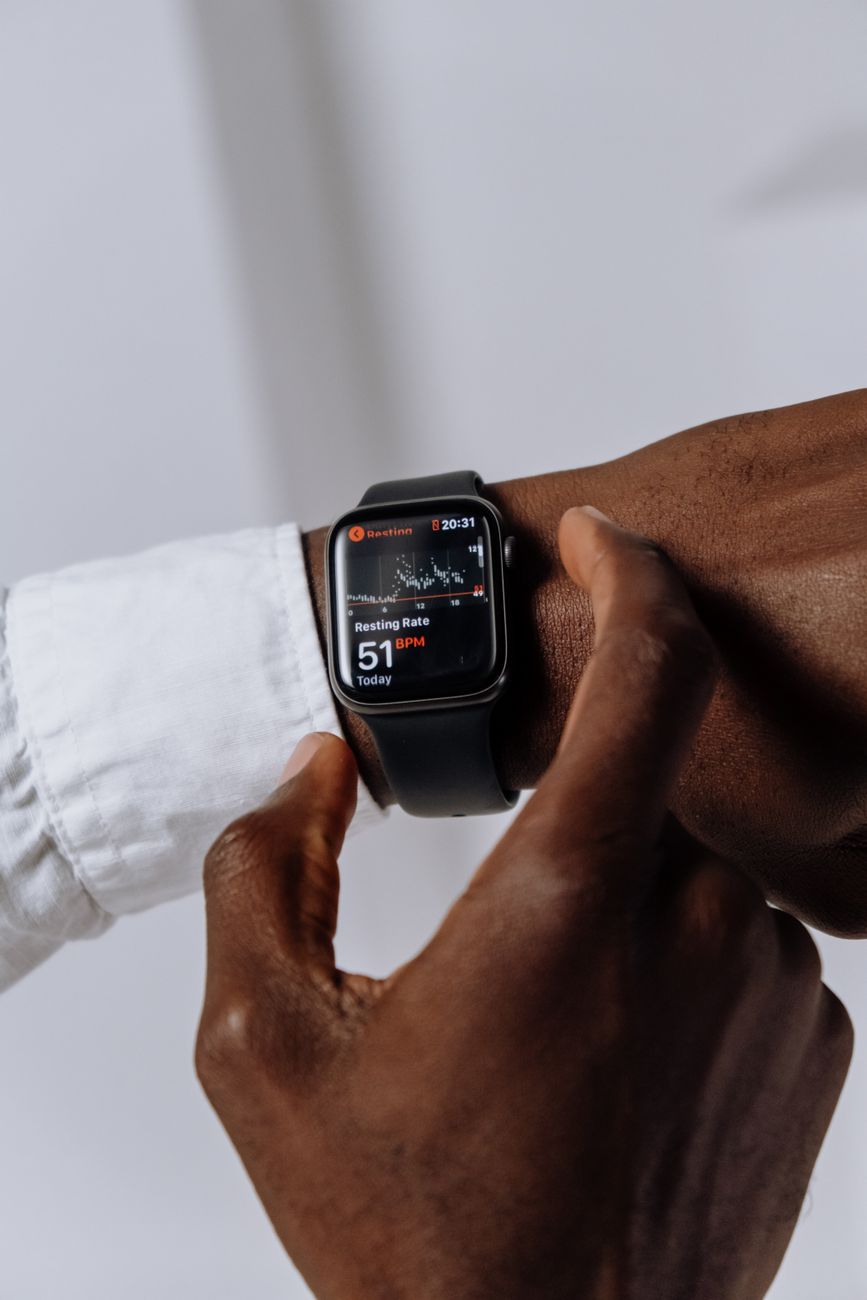
Has self-optimisation culture gone too far?
But the bigger picture and subsequent internet backlash centred around the idea that self-optimisation culture seems to have gone too far.
We’ve simply forgotten how to just live by some basic rules in the pursuit of wellbeing perfectionism.
Rather than trusting our own experiences we’re outsourcing how we feel, or believe how we feel, to big tech, who then use our data to market us products designed to help us achieve an idealised version of living.
Life has become outcome based off the back of a wellness industry which has grown exponentially in the past decade.
We can track our sleep, monitor our steps, count our calories and measure our body mass index – all through smart watches and other wearable devices. You can even monitor what your ‘biological age’ is.
Yet despite this seemingly well meaning third party intervention, we are facing a growing mental health crisis and increased levels of health and sleep anxiety in society.
Research from Newcastle University has found that fitness tracking can fuel anxiety, body dissatisfaction and guilt around missed goals, and may even contribute to disordered eating and obsessive exercise.
For many people self optimisation has become a daily obsession and ultimately made them more anxious. If you don’t hit your daily markers, stress levels go up.
Don’t get me wrong, some tech wear can be highly effective for aiding particular fitness goals, or managing and preventing diabetes, heart disease and other conditions for those in higher risk categories.
But it’s a red flag for me when someone in their 30s tells me that they ‘think’ they’re anxious because their device has recorded a slightly elevated heart rate.
In many ways, this reflects the rise of the worried well – people who are fundamentally healthy but have become so focused on tracking, optimising and scrutinising every aspect of their wellbeing that they end up feeling less reassured, not more.
We’re disassociating from our bodies rather than listening and respecting what our body and mind is telling us.
And although supplements (eg. vitamins, minerals, omega-3, probiotics and herbals) can support our wellbeing when they’re genuinely needed, some experts believe our growing obsession with optimising our health risks having the opposite effect.
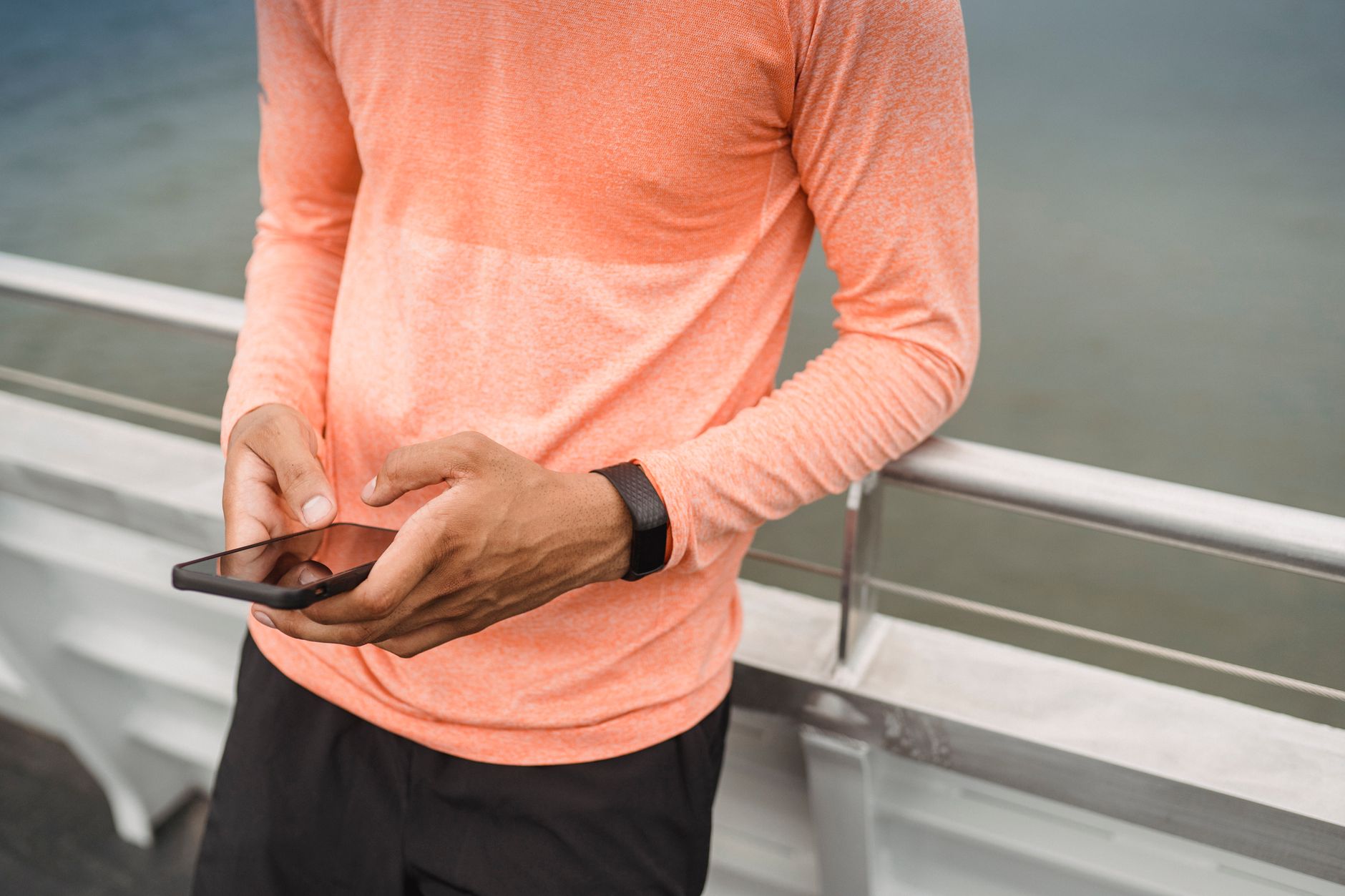
As a society we really need to reclaim our health again and take back ownership of some of the fundamentals of physical and emotional wellbeing – sleep, exercise, diet, connection and purpose.
Back to basics with health and wellbeing
Sleep
Are you getting enough sleep? You don’t need to outsource this to big tech. Most of us know when we’re well rested and the amount of sleep we need, which varies from person to person.
Exercise
Are you exercising enough? Exercise looks different for everyone and it’s about finding something that works for you which you can sustain and don’t dread.
Connection
Are you socialising enough? Loneliness is a visceral human experience and meaningful connection is one of the strongest factors for protecting our physical and mental wellbeing. It’s a felt experience and noticing it within yourself is an indicator that human connection is needed.

Purpose
Having a purpose provides an essential anchoring in life and isn’t something that can be measured by a wearable or tracked through an app.
It’s found in the things we truly value and which bring meaning and satisfaction to our lives.
Diet
It’s not about obsessively counting calories or striving for nutritional perfection.
It’s about eating sensibly most of the time whilst giving yourself permission to enjoy life and have the occasional treat without guilt.
These aren’t revolutionary ideas but that’s the point I’m trying to make.
In a culture obsessed with self-optimisation, you don’t need another metric, tracker or data point to lead a perfectly healthy life.
It’s about focusing on some fundamentals which can give you a consistent baseline of physical and emotionally health.
And by doing so you might even save yourself some money in the process.
Further reading
Social media prompts the worried well to seek out unnecessary and expensive scans and blood tests.
Has self optimization culture gone too far?
I hate my £349 a year WHOOP tracker. It’s a hypochondriac.
The Hidden Risks of Chasing Health Through Supplements
The importance of friendship for our mental and physical health
Counselling support
If you are interested in starting counselling, you can email me on andywestoncounselling@gmail.com
More information about me can be found, here.
Frequently Asked Questions
Self-optimisation culture is the belief that every aspect of life can be measured, improved and perfected through data, habits and productivity systems.
The worried well are people who are generally healthy but become preoccupied with monitoring their health, often seeking reassurance despite having no significant medical condition.
Not necessarily. Wearable devices can be valuable tools for people managing certain health conditions or pursuing fitness goals. Problems arise when tracking becomes a source of stress, reassurance-seeking or self-judgement.
[…] live in a very goal-orientated, optimised culture where we constantly try to curate the seemingly perfect way to […]